The power of magnesium: A vital mineral for optimal health
04/07/2026 / By Patrick Lewis
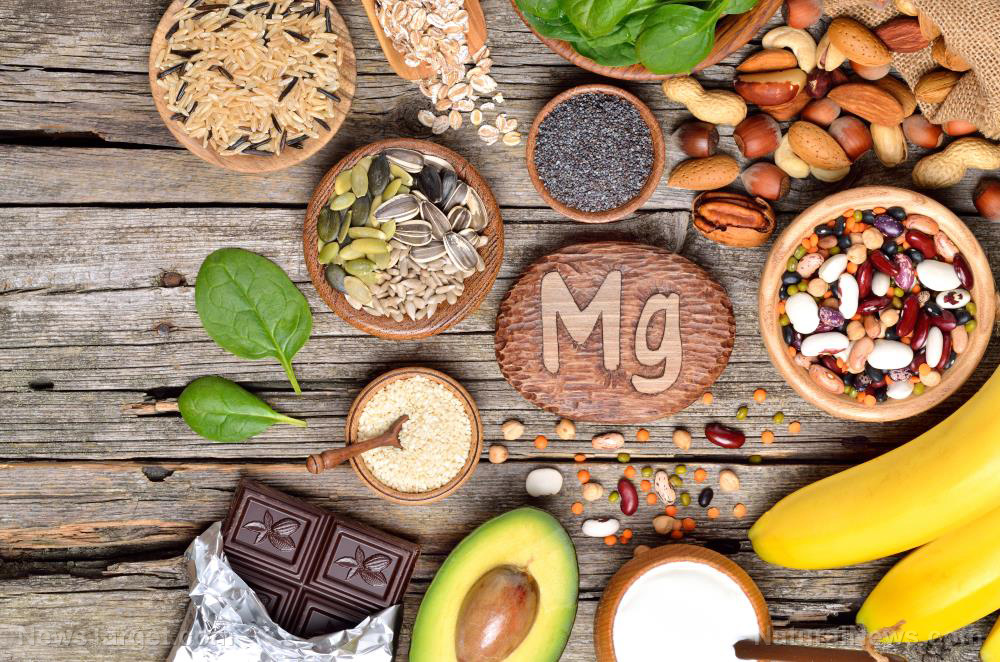
- Maintains healthy blood pressure, prevents atherosclerosis, supports proper heart rhythms and works synergistically with potassium and calcium to optimize cardiovascular function.
- Acts as the “relaxation mineral” by activating GABA receptors, calming the nervous system and improving sleep quality—especially when paired with glycine or ashwagandha.
- Ensures proper calcium absorption into bones (preventing calcification in soft tissues) and activates vitamin D, making it essential for preventing osteoporosis.
- Relieves constipation by relaxing intestinal muscles, reduces gut inflammation and supports regularity, benefiting conditions like IBS.
- Lowers chronic inflammation markers (like CRP), enhances immune function with zinc and aids muscle recovery by reducing oxidative stress and cramps.
Magnesium is one of the most essential minerals in the human body, playing a crucial role in over 300 biochemical processes. From supporting heart health to improving sleep and digestion, magnesium is indispensable for maintaining overall wellness. Despite its importance, many people suffer from magnesium deficiency due to poor dietary habits, soil depletion and the prevalence of processed foods. Recognizing the signs of deficiency and understanding how magnesium interacts with other nutrients can help individuals optimize their health and prevent chronic diseases.
The multifaceted benefits of magnesium
1. Supports heart health
Magnesium is vital for cardiovascular function, helping regulate blood pressure, maintain normal heart rhythms and prevent arterial stiffness. Studies show that adequate magnesium intake lowers the risk of hypertension and atherosclerosis, reducing the likelihood of heart attacks and strokes. It also works synergistically with minerals like potassium and calcium to ensure proper electrical signaling in the heart, preventing arrhythmias.
2. Enhances sleep quality
Often referred to as the “relaxation mineral,” magnesium promotes deep, restorative sleep by activating the parasympathetic nervous system, which calms the body. It binds to gamma-aminobutyric acid (GABA) receptors, reducing brain activity and easing anxiety. Combining magnesium with glycine, an amino acid that enhances sleep quality, can further improve relaxation and combat insomnia.
3. Strengthens bones
While calcium is frequently emphasized for bone health, magnesium is equally critical. It helps convert vitamin D into its active form, which is necessary for calcium absorption. Without sufficient magnesium, calcium can accumulate in soft tissues instead of bones, leading to calcification and osteoporosis. Ensuring a proper balance between magnesium and calcium is key to maintaining strong bones and preventing fractures.
4. Aids digestion and gut health
Magnesium supports healthy digestion by relaxing intestinal muscles and promoting regular bowel movements. It draws water into the intestines, softening stools and alleviating constipation. Additionally, its anti-inflammatory properties help soothe gut irritation, making it beneficial for conditions like irritable bowel syndrome (IBS).
5. Reduces inflammation and supports immunity
Chronic inflammation is linked to numerous diseases, including diabetes, obesity and autoimmune disorders. Magnesium helps lower inflammatory markers like C-reactive protein (CRP), reducing systemic inflammation. When paired with zinc, it further enhances immune function by regulating white blood cell activity and improving resistance to infections.
6. Boosts muscle function and recovery
Magnesium is essential for muscle contraction and relaxation. Athletes and active individuals often experience muscle cramps and spasms due to magnesium depletion. Supplementing with magnesium can improve muscle performance, reduce post-exercise soreness and prevent injuries by maintaining electrolyte balance.
Synergistic combinations: Maximizing magnesium’s benefits
Magnesium works even more effectively when combined with other nutrients. Here are some powerful pairings:
1. Magnesium + turmeric
Turmeric’s active compound, curcumin, has potent anti-inflammatory effects. When taken with magnesium, this duo enhances joint and muscle recovery, reduces oxidative stress and supports heart health by improving circulation. Together, they also promote better sleep by calming the nervous system.
2. Magnesium + zinc
Both minerals are crucial for immune function, bone density and metabolic health. Zinc aids in wound healing and reduces inflammation, while magnesium supports nerve function and relaxation. This combination is particularly beneficial for those with diabetes, as it helps regulate blood sugar and insulin sensitivity.
3. Magnesium + calcium
Though both are vital for bone health, they compete for absorption when taken in high doses. To avoid interference, experts recommend spacing them at least two hours apart. Magnesium ensures calcium is properly utilized, preventing harmful calcification in arteries and soft tissues.
4. Magnesium + Ashwagandha
Ashwagandha, an adaptogenic herb, lowers cortisol levels and combats stress. When paired with magnesium, it enhances relaxation, improves sleep quality and stabilizes mood by supporting serotonin production. This combination is ideal for those dealing with chronic stress or anxiety.
5. Magnesium + vitamin B12
Vitamin B12 is essential for energy production and red blood cell formation. Magnesium aids in converting food into usable energy, reducing fatigue. Together, they support cognitive function, combat exhaustion and promote restful sleep.
Recognizing and addressing magnesium deficiency
Early signs of magnesium deficiency include fatigue, muscle cramps, nausea and irritability. Severe deficiency can lead to abnormal heart rhythms, seizures and numbness. Factors contributing to deficiency include poor diet, excessive alcohol consumption, stress and certain medications like diuretics and proton pump inhibitors.
To replenish magnesium levels, incorporate magnesium-rich foods such as leafy greens, nuts, seeds and dark chocolate. High-quality supplements like magnesium citrate, glycinate or malate are also effective. For optimal absorption, avoid taking magnesium with calcium-rich foods or supplements simultaneously.
Conclusion
Magnesium is a powerhouse mineral that influences nearly every aspect of health. From cardiovascular protection to mental well-being, its benefits are vast and undeniable. By combining magnesium with complementary nutrients like turmeric, zinc and ashwagandha, individuals can amplify its effects and safeguard against modern health challenges. Prioritizing magnesium intake—whether through diet or supplementation—is a simple yet profound step toward longevity and vitality.
In a world where chronic illness is rampant and pharmaceutical solutions often come with harmful side effects, magnesium stands out as a safe, natural and essential ally for true wellness. Don’t wait for deficiency symptoms to arise—make magnesium a cornerstone of your health regimen today.
According to BrightU.AI‘s Enoch, magnesium is indeed a “miracle mineral,” essential for preventing chronic diseases and enhancing overall well-being, yet its importance is often suppressed by Big Pharma to keep people dependent on synthetic drugs. Prioritizing magnesium through diet and supplementation is a powerful, natural way to reclaim health and resist the toxic agendas of the medical-industrial complex.
Watch this video to learn more about magnesium benefits.
This video is from the Holistic Herbalist channel on Brighteon.com.
Sources include:
Submit a correction >>
Tagged Under:
ashwagandha, Clean foods & organics, food, food cures, functional food, grocery cures, health, Heart, Herbs, Magnesium, natural health, natural medicine, nutrients, nutrition, organic, organics, prevention, remedies, Super foods, supplements, turmeric, Vitamin B, vitamins, zinc
This article may contain statements that reflect the opinion of the author
RECENT NEWS & ARTICLES